


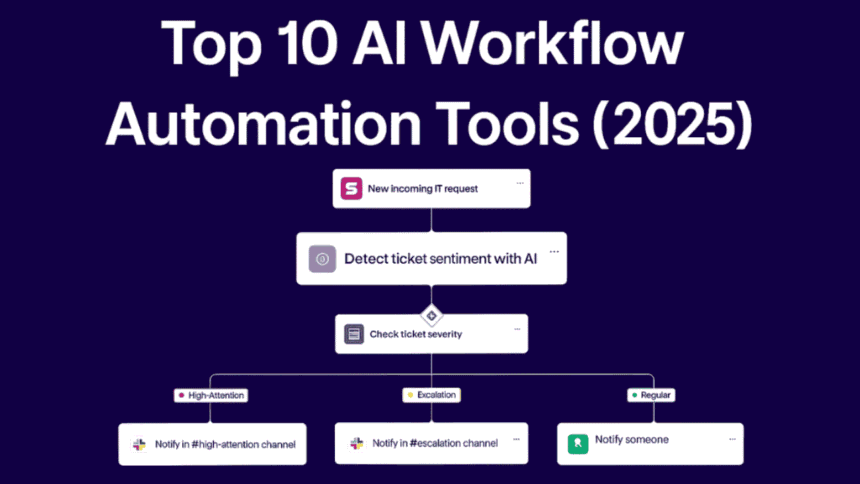
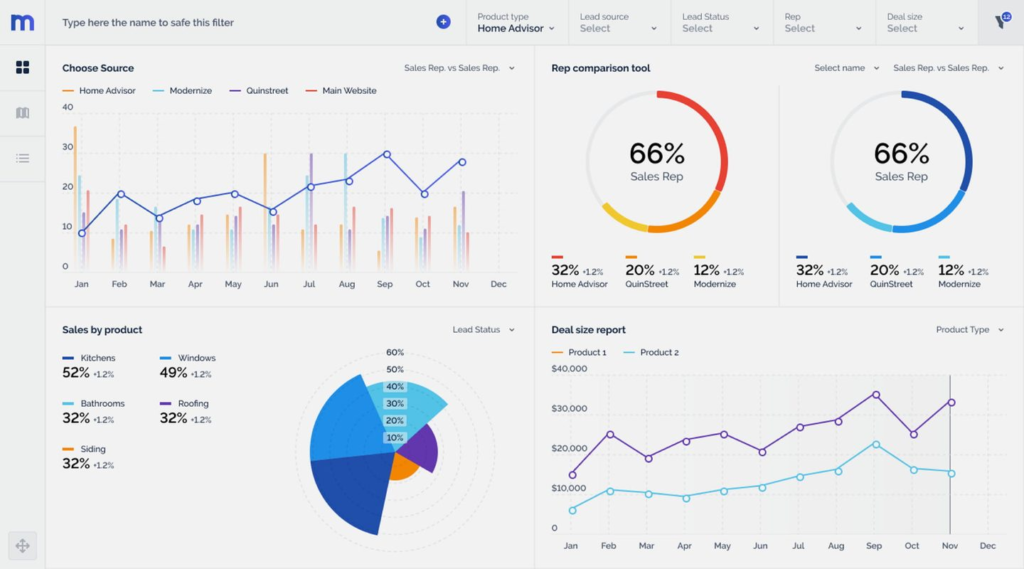
Artificial intelligence is no longer an emerging technology. In 2025, AI automation software has become a core investment for U.S. businesses, ranging from early-stage startups to Fortune 500 enterprises. Organizations are actively adopting paid AI software, enterprise automation platforms, and intelligent workflow systems to reduce operational costs, improve productivity, and remain competitive in an increasingly digital economy.
In 2025, AI automation software cost has become a key consideration for U.S. businesses evaluating automation investments and long-term scalability.
However, as adoption increases, decision-makers continue to ask an important question:
How much does AI automation software cost in 2025, and is the investment truly worth it?
This in-depth guide provides a U.S.-focused analysis of AI automation pricing models, enterprise costs, ROI, and the best tools businesses are paying for, helping you make informed, data-driven decisions.
What Is AI Automation Software?
AI automation software refers to platforms that use machine learning, artificial intelligence, and AI agents to automate repetitive, rule-based, or data-intensive business processes.
Unlike traditional automation tools, AI-powered systems can:
- Learn from data
- Adapt to changing conditions
- Make predictions
- Optimize workflows without constant human intervention
Common AI Automation Use Cases in the U.S.
- Customer support chatbots and ticket automation
- Marketing and sales automation
- CRM and email workflows
- Data analysis and reporting
- Finance, HR, and operations automation
Industries such as SaaS, healthcare, finance, e-commerce, logistics, and digital marketing are leading adopters of AI automation across the United States.
AI Automation Software Pricing in 2025 (High-CPC Section 💰)
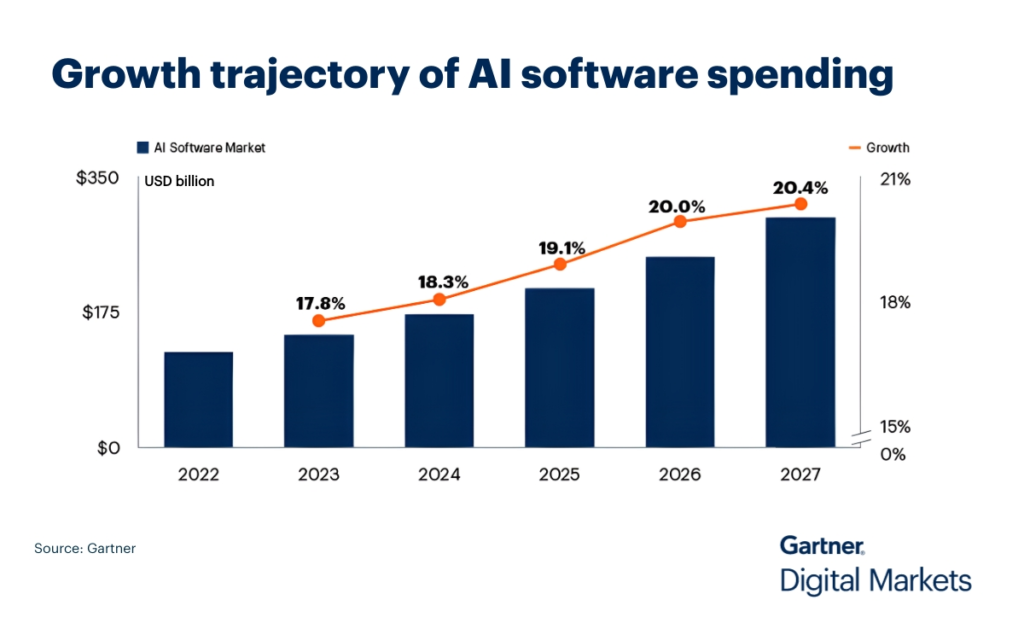
AI automation software is typically offered through subscription-based pricing models, with costs varying based on features, usage, and business scale.
The total AI automation software cost depends on factors such as features, data volume, compliance requirements, and enterprise-level integrations.
Average AI Automation Pricing in the U.S.
| Plan Type | Monthly Cost | Ideal For |
|---|---|---|
| Starter Plan | $25 – $75 | Small businesses |
| Professional Plan | $99 – $299 | Growing teams |
| Enterprise Plan | Custom pricing ($1,000+) | Large organizations |
Factors That Influence AI Automation Software Cost
Several factors affect pricing for AI automation platforms in the U.S. market:
- Number of users and automated workflows
- Volume of data processed
- Advanced AI capabilities (predictive analytics, AI agents)
- Security and compliance requirements (HIPAA, SOC 2, GDPR)
- Integration with existing software systems
Because enterprise-level tools require customization, enterprise AI software pricing often involves long-term contracts and tailored solutions, making this category particularly valuable for SaaS advertisers.
Subscription Models: Monthly vs Annual Pricing
Most AI automation vendors offer:
- Monthly subscriptions for flexibility
- Annual contracts with discounted pricing
- Enterprise licensing with custom terms
U.S. enterprises often prefer annual or multi-year contracts to reduce long-term costs and ensure platform stability.
Best AI Automation Tools U.S. Businesses Are Paying For
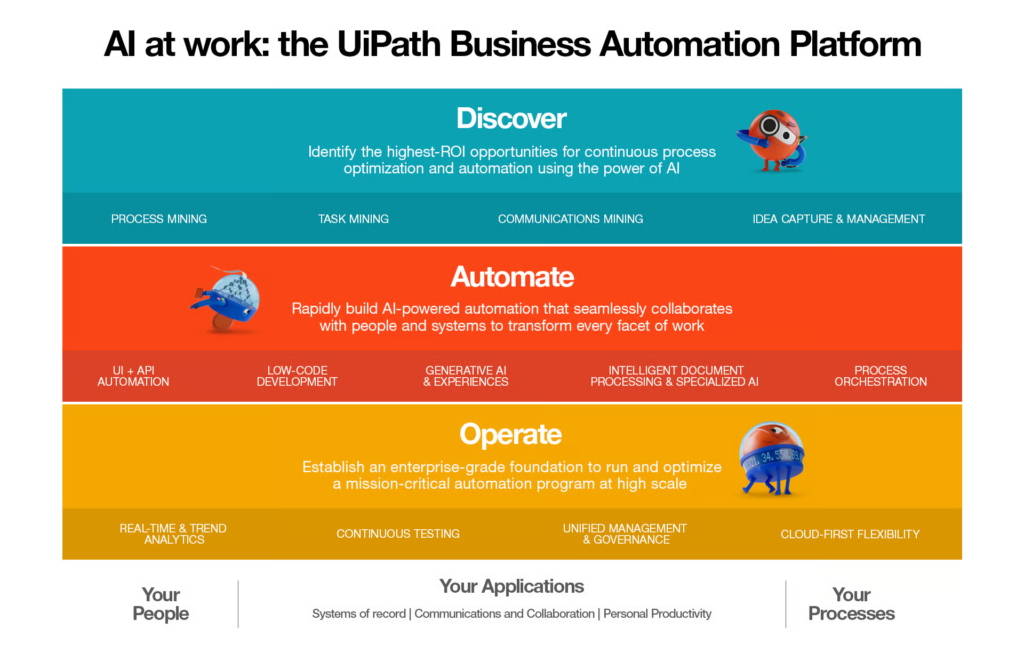
Many organizations choose paid AI automation tools rather than free or open-source options due to reliability, support, and scalability.
Popular AI Automation Platforms in 2025:
- Zapier AI – Workflow automation across SaaS applications
- UiPath – Enterprise robotic process automation (RPA)
- HubSpot AI – Marketing, CRM, and sales automation
- ServiceNow AI – IT operations and enterprise workflows
- Automation Anywhere – Advanced enterprise automation
U.S. businesses evaluate these platforms based on:
- Total cost of ownership
- Integration capabilities
- Security and compliance features
- Vendor reputation and support
AI Automation Cost vs ROI: Is It Worth the Investment?

Cost alone does not determine value. Successful companies focus on return on investment (ROI) when adopting AI automation software.
Key ROI Benefits of AI Automation
- Reduced labor costs through task automation
- Increased employee productivity
- Faster business processes and response times
- Fewer errors and compliance issues
- Scalability without proportional staffing increases
Example ROI Scenario
A U.S.-based company paying $250 per month for AI automation software can save 40–60 employee hours monthly, translating into thousands of dollars in operational savings.
This cost-efficiency explains why AI automation investment continues to grow rapidly in the U.S. enterprise sector.
Small Business vs Enterprise AI Automation
| Feature | Small Businesses | Enterprises |
|---|---|---|
| Pricing | Low to moderate | High (custom contracts) |
| Implementation | Simple setup | Complex deployment |
| Support | Standard | Dedicated account managers |
| Security | Basic | Advanced compliance |
| ROI Timeline | Short-term | Medium to long-term |
Small businesses prioritize affordability and ease of use, while enterprises focus on security, scalability, and long-term value.
Compliance, Security, and Governance Considerations
For U.S. enterprises, AI automation is not just about efficiency — compliance and data security are critical.
Modern AI automation platforms support:
- SOC 2 and ISO compliance
- HIPAA compliance for healthcare
- Role-based access control
- Data encryption and audit logs
Organizations operating in regulated industries often select enterprise solutions specifically for these governance features.
Is AI Automation Software Worth It in 2025?
For most U.S. organizations, AI automation software is worth the investment when chosen strategically.
AI automation delivers the greatest value when:
- Processes are repetitive and time-consuming
- Labor costs are high
- Business growth requires scalability
- Operational efficiency is a priority
Careful evaluation of pricing, ROI, security, and vendor reliability is essential to maximize benefits.
The Future of AI Automation in the United States
Looking ahead:
- AI agents will become more autonomous
- Businesses will adopt human + AI hybrid teams
- Spending on enterprise AI SaaS tools will increase
- Governance and compliance solutions will gain importance
Organizations investing in AI automation today are positioning themselves for long-term competitive advantage.
Final Thoughts
AI automation software is not simply an operational expense — it is a strategic investment for U.S. businesses in 2025. Understanding pricing models, enterprise costs, and ROI enables organizations to choose the right tools while maximizing long-term value.
For decision-makers comparing vendors, understanding AI automation software cost alongside ROI and scalability is essential before choosing an enterprise solution.
For companies exploring AI automation software, enterprise AI tools, and business process optimization, informed decision-making is the key to success.